What Is 1ml Cheek Filler?
1ml cheek filler is one small syringe of gel injected into the cheek area to add volume and shape. Most cheek fillers are made from hyaluronic acid (HA) — a substance your body already makes naturally. It holds water, which plumps the skin from inside.
One milliliter is about one-fifth of a teaspoon. That sounds like very little, but placed in the right spot, it can create a visible change.
The most common HA filler brands used for cheeks are:
- Juvederm Voluma XC — thick gel, long-lasting, great for structural lift
- Restylane Lyft — slightly firmer, good for contouring and natural movement
- Radiesse — calcium-based, stimulates collagen, strongest lift effect
Each product behaves differently once injected. Your injector picks the right one based on your face and goal.
The Power of a Single Syringe
Why 1ml Is the Starting Point for Most People
Most injectors call 1ml the “starter amount” for cheeks. It gives a real result without going too far. For people in their 20s and 30s, it is often all they need. For people in their 40s and 50s with more volume loss, it is usually a first step in a larger plan.
The idea behind using 1ml is simple: start small, see how your face responds, and add more later if needed. As Dr. Shanthala Shivananjappa, MD puts it: “1 cc [1ml] in each cheek is probably a good place to start. It’s easier to add more filler than to take away filler that is overdone.” This approach avoids the “overdone” look that comes from too much filler too fast.
What Does 1ml of Cheek Filler Actually Do?
At 1ml, you can expect:
- A subtle lift in the mid-face area
- Slightly more defined cheekbones
- Softer nasolabial folds (the lines from your nose to your mouth)
- A more rested, refreshed look overall
You will not look dramatically different. People may notice you look better but not be able to say why. That is the goal.
The Philosophy of Subtlety
Good cheek filler should enhance what you already have — not change your face into something new. The best results look like a well-rested, slightly younger version of you. If someone can tell you had filler, the result was not ideal.
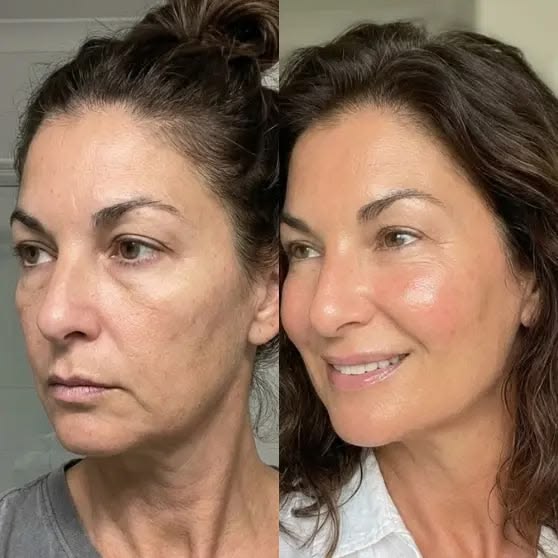
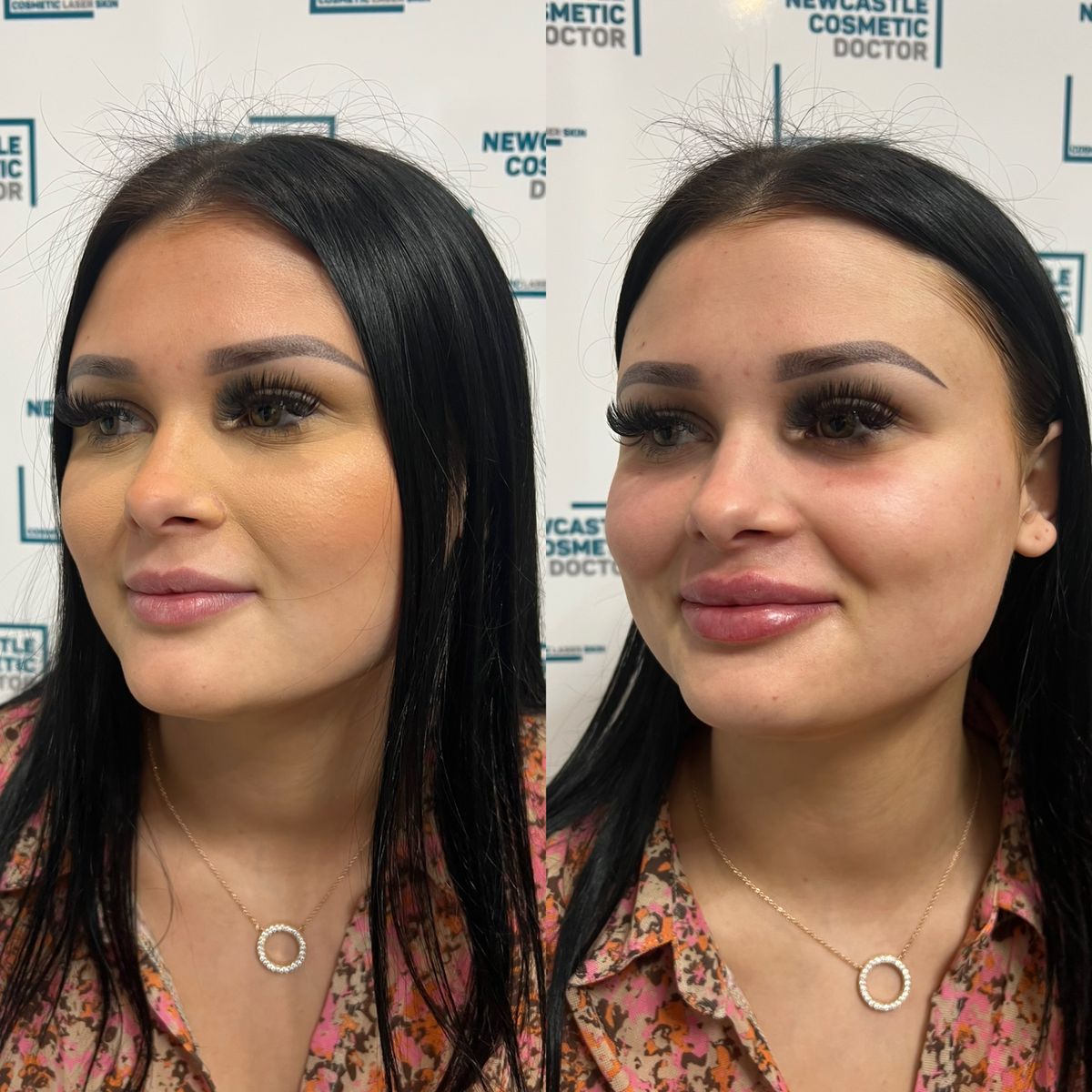
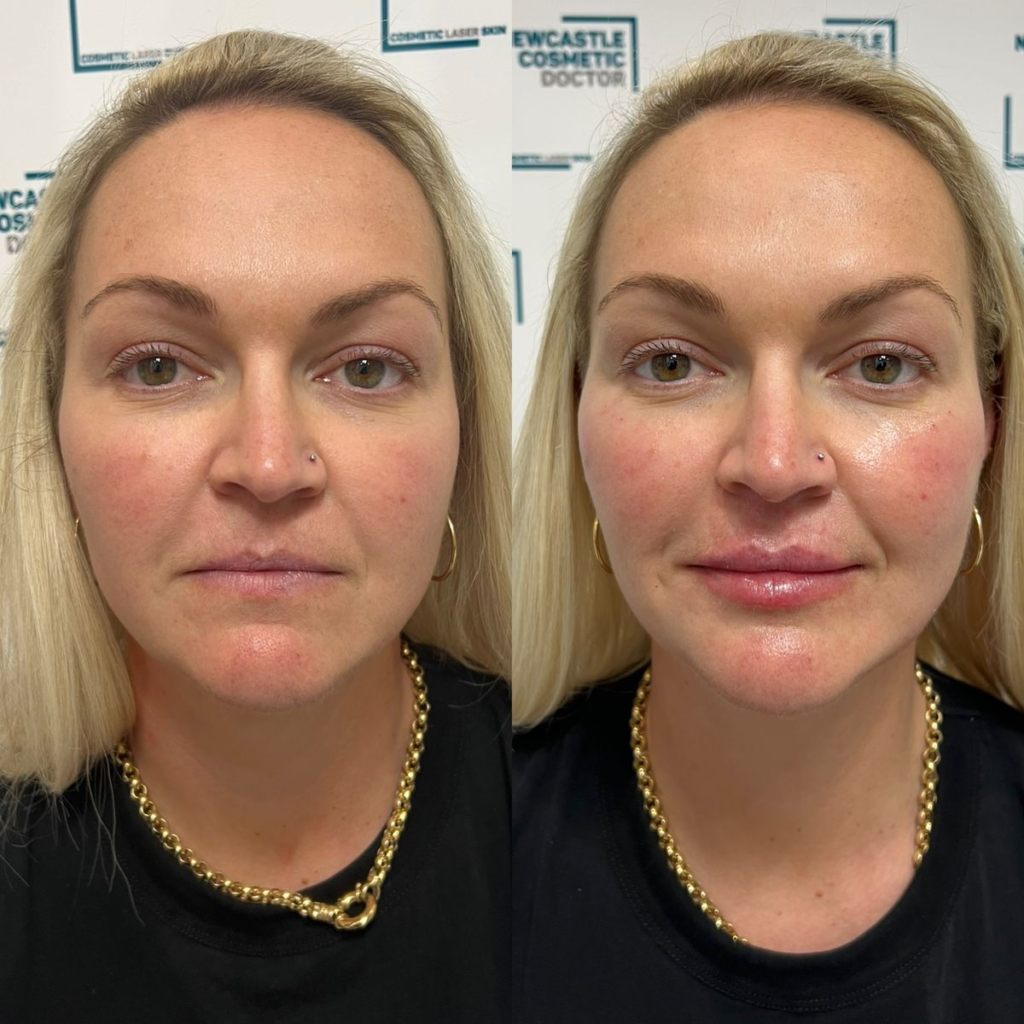
1ml Cheek Filler Before and After — What Changes
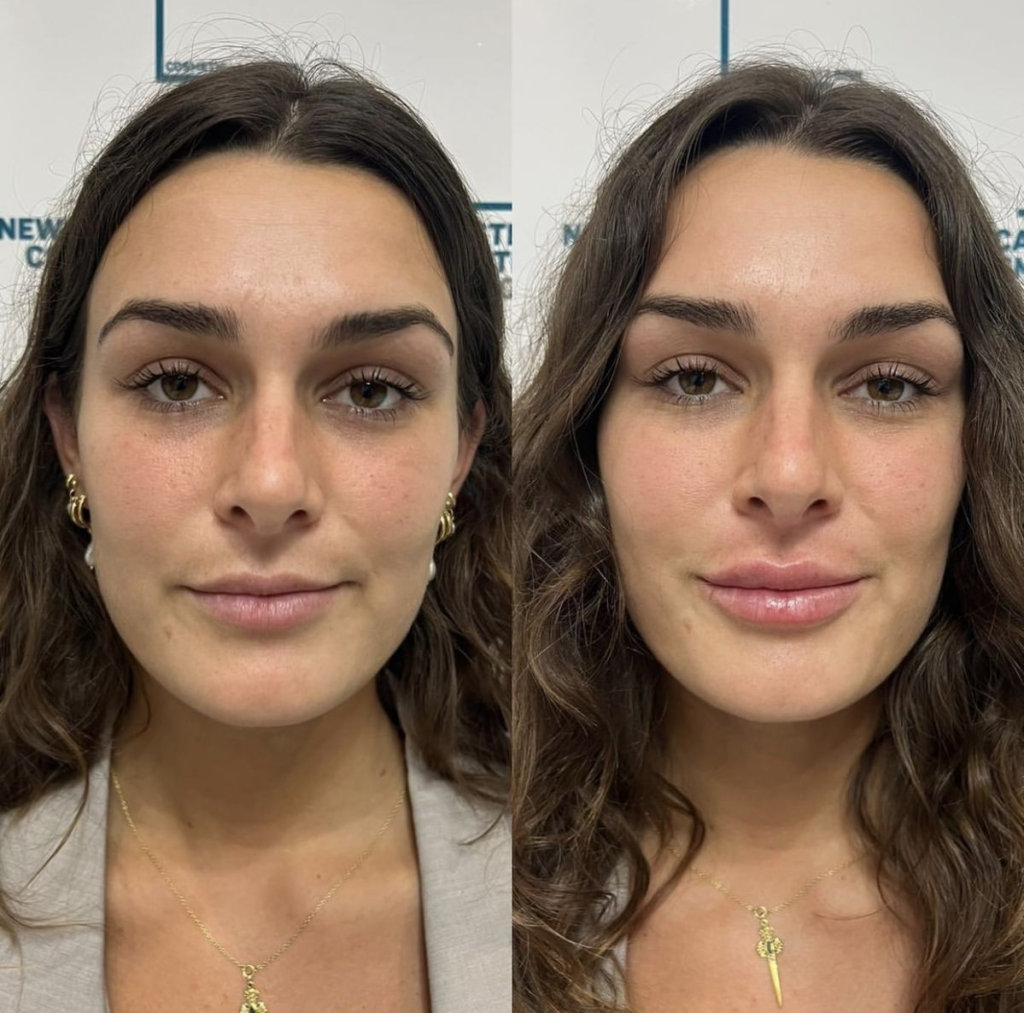
Restoring the Ogee Curve for a Youthful Profile
The ogee curve is an S-shaped line that runs from your lower eyelid down to your cheekbone. In younger faces, this curve is smooth and projected forward. With age, the fat pads under your skin shrink and shift downward. The curve flattens.
When your injector places filler at the correct depth and position — usually at the cheekbone’s highest point — it restores that S-curve. The result is a face that looks naturally younger without any obvious change.
The mapping technique many injectors use involves drawing a vertical line from the outer corner of the eye downward and a second line from the top of the ear to the side of the nose. Where these two lines cross is the ideal spot for filler placement.
Lifting the Lower Face — The Indirect Effect on Nasolabial Folds
This is one of the most valuable effects of cheek filler that people do not expect. Your nasolabial folds — the lines from the sides of your nose to the corners of your mouth — are partly caused by the cheeks losing volume and sagging downward.
When you restore cheek volume, the skin above those folds gets lifted slightly. The folds become less deep. You get a lower-face lift without touching the lower face at all.
The Light Reflex Effect — How Your Face Catches Light Differently
This is a change most people do not expect but immediately notice in photos. Before cheek filler, a flat mid-face absorbs light unevenly. The result is a tired, drawn appearance — shadows sit where projection should be.
After 1ml is placed along the zygomatic arch, the added volume creates a natural highlight on the cheekbone. Light bounces off this elevated surface the same way it does on a younger, fuller face. You do not need heavy makeup or contouring to achieve this — the structure is doing the work. The face looks naturally luminous, not treated.
Correcting Asymmetry Without Looking “Done”
Very few faces are perfectly symmetrical. Most people have one cheek slightly higher, flatter, or fuller than the other. With 1ml, a skilled injector can place slightly more filler on the weaker side to even things out. The correction looks natural because it follows the face’s existing structure rather than fighting it.
Results by Age Group
In Your 20s and 30s At this age, most people have not lost much volume yet. The fat pads in the mid-face are still largely intact. 1ml is used to add subtle definition — sharper cheekbones, a lifted look, or early prevention of volume loss. Results look very natural because the filler is working with existing structure, not replacing it.
In Your 40s and 50s Volume loss starts to become visible here. The fat pads in the mid-face shrink, the cheeks flatten, and the nasolabial folds deepen. 1ml can correct mild to moderate volume loss. For more significant loss, a second syringe may be needed. Clinical data supports how well this works: one study on hyaluronic acid cheek filler found that 92.1% of patients reported satisfaction with their results, and 89.3% were rated “much or very much improved” by investigators just three weeks after treatment.
In Men Men use cheek filler to add structure and definition rather than softness. 1ml can sharpen the cheekbones and create a more angular, defined midface. The technique is slightly different — injectors aim for lateral projection rather than the soft roundness preferred in women.
1ml vs 2ml Cheek Filler — What Is the Difference?
| Volume | Best For | Visible Change |
|---|---|---|
| 1ml | Subtle lift, mild volume loss, first-timers | Soft, natural |
| 2ml | More defined contour, moderate volume loss | More visible but still natural |
| 3ml+ | Significant volume loss, older patients | Noticeable transformation |
If you are unsure, start with 1ml. You can always add more at a follow-up appointment two weeks later once the filler has settled. For a deeper look at how different volumes compare across different face shapes, see our full cheek filler before and after guide.
Factors That Shape Your Results
Face Shape and Bone Structure
People with high, prominent cheekbones see the most dramatic change from 1ml because the filler sits on top of existing structure. People with flatter mid-faces may need more volume to see the same effect.
Round faces and heart-shaped faces respond differently to cheek filler. Your injector should take your face shape into account before deciding where and how much to inject.
Skin Elasticity and Age
Younger skin is more elastic. It bounces back around the filler and holds its shape well. Older skin is looser and may not show the same projection. The same 1ml can look more dramatic on a 28-year-old than on a 55-year-old — not because the filler is different, but because the skin behaves differently.
Product Choice: Juvederm vs Restylane vs Radiesse
Juvederm Voluma XC Voluma uses Vycross technology, which creates a firm, smooth gel that does not move after placement. It provides robust structural lift and lasts up to two years. Most injectors consider it the gold standard for cheek augmentation.
Restylane Lyft Lyft uses OBT technology, which makes it slightly firmer and easier to mold after injection. Some injectors prefer it for complex contouring cases because they can sculpt the result after placing the product. It also provides natural movement alongside structural support.
Radiesse Radiesse is made from calcium hydroxylapatite, not hyaluronic acid. It provides the strongest lift of any filler and also stimulates your body’s own collagen production. Results last 12 to 18 months. One downside: it cannot be dissolved if something goes wrong, unlike HA fillers. It is also not suitable for the tear trough or lips.
The Procedure — Step by Step
Who Is a Good Candidate?
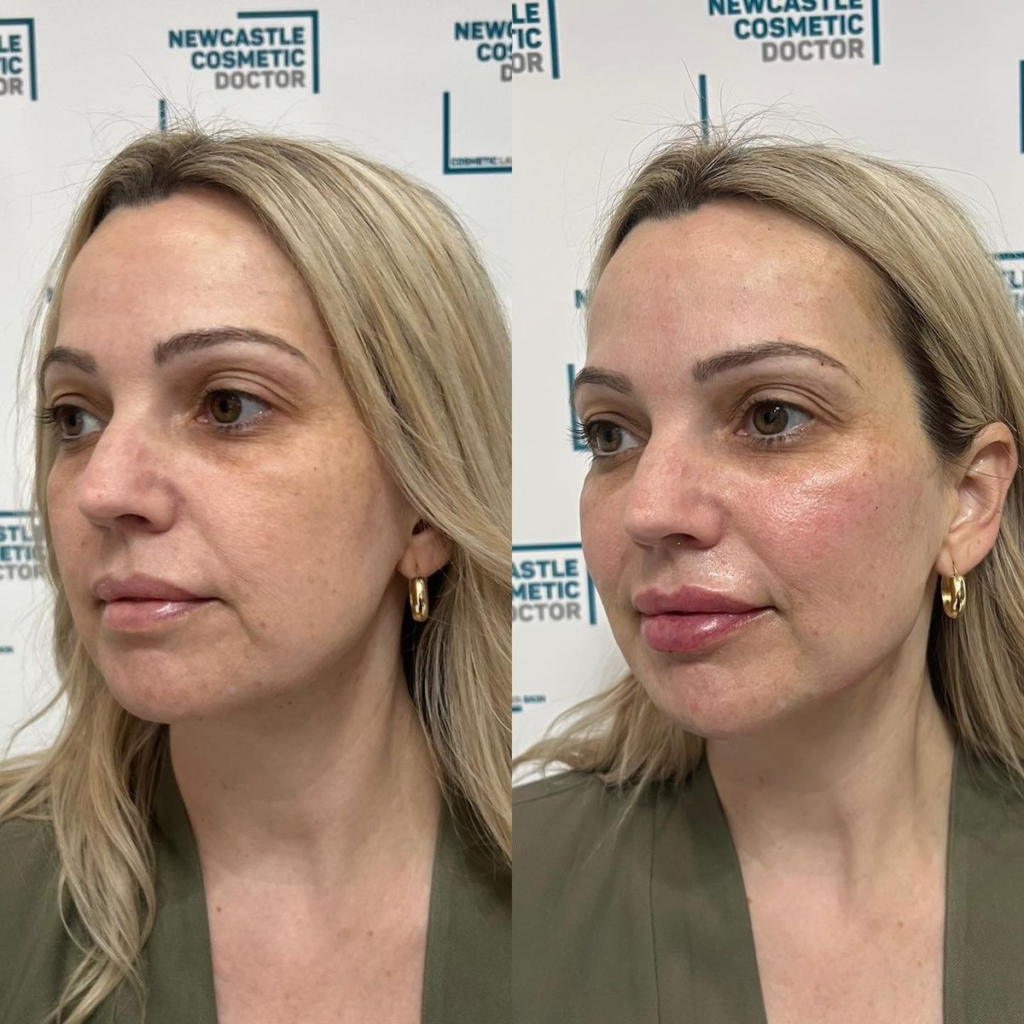
You are a good candidate for 1ml cheek filler if you:
- Have mild to moderate volume loss in the mid-face
- Want subtle definition or a refreshed look
- Have realistic expectations (1ml gives natural results, not dramatic ones)
- Are in good overall health with no active skin infections
- Are not pregnant or breastfeeding
You may not be a good candidate if you:
- Have autoimmune conditions that affect healing
- Are taking blood thinners you cannot stop before the procedure
- Have had permanent filler in the area previously
- Expect a dramatic transformation from one syringe
The Precision of Placement: Cannula vs Needle
Injectors use either a needle or a blunt-tipped cannula to place cheek filler. Both work, but they have different advantages.
Needle A needle gives the injector precise control over exactly where small amounts of filler go. It is useful for focal placement — putting a small bolus of product at a specific structural point like the malar eminence (the highest point of the cheekbone).
Cannula A cannula is longer and has a blunt, rounded tip. It enters through a single small hole and can cover a wider area. Because the tip is blunt, it pushes blood vessels aside rather than piercing them. Studies show cannulas reduce bruising and vascular complications in the cheek area. They also cause less discomfort during the procedure.
Many experienced injectors use a combination: a needle for precise structural placement and a cannula for softer, broader volume work.
The Full Procedure (20–30 Minutes)
- Consultation — Your injector reviews your face, discusses goals, and marks injection points
- Cleanse — The skin is cleaned
- Numbing — A topical numbing cream is applied, or an infraorbital nerve block is used for deeper comfort
- Injection — The filler is placed using needle, cannula, or both
- Massage — The injector may smooth the filler gently after placement
- Review — You check the result together in a mirror
Immediate vs Settled Results — The 2-Week Rule
Right after injection, your cheeks will look more volumized than the final result. This is because of swelling, not the filler itself. The area will also feel slightly firm or lumpy for a few days.
At the two-week mark, the swelling is gone and the filler has integrated into the tissue. What you see at two weeks is your true result. Most injectors recommend waiting the full two weeks before adding more filler.
Recovery Timeline
| Day | What to Expect |
|---|---|
| Day 1–2 | Swelling, mild bruising, possible tenderness |
| Day 3–5 | Bruising starts to fade, swelling decreases |
| Day 7–10 | Most visible bruising gone |
| Day 14 | Filler fully settled — final result visible |
| 1 Month+ | Collagen stimulation effects begin with some products |
Day 1–3: Managing Swelling and Social Downtime
The first 48 hours are the most uncomfortable. Your cheeks will look fuller than the final result. Some bruising may appear, especially if a needle was used. Ice packs (wrapped in cloth, not directly on skin) can reduce swelling. Arnica gel can help with bruising.
Avoid exercise, alcohol, and heat for 24 hours. These increase blood flow and make swelling worse.
Day 14: When the “Glow” Becomes Final
By day 14, the filler has softened and settled into the tissue. What felt firm now feels natural. The subtle lift and contour are visible without any sign of treatment. This is the result you came for. If you want a full week-by-week breakdown of what to expect, our guide on how long cheek filler takes to settle covers every stage in detail.
When 1ml Is Not Enough {#when-1ml-is-not-enough}
Signs You Might Benefit from a Second Syringe
1ml may not be enough if you:
- Are over 50 with significant volume loss
- Have a naturally flat midface that needs more structural support
- Want more defined contouring rather than just a subtle refresh
- See minimal change two weeks after your first treatment
A skilled injector will tell you honestly at your follow-up whether more product would help. You do not have to commit to more at the first appointment.
The Risk of Over-Filling — Avoiding “Pillow Face”
“Pillow face” happens when too much filler is placed in the cheeks over time. The face starts to look round, heavy, and unnatural. The cheeks push outward and downward rather than upward. This happens most often when filler is added repeatedly without dissolving previous treatments first.
Signs of over-filling include:
- Cheeks that look puffy, not defined
- The face looks wider from the front
- Results no longer look natural from the side
Hyaluronic acid fillers can be dissolved with an enzyme called hyaluronidase if needed. This is one reason HA fillers are considered safer than Radiesse or permanent options — the result can be reversed.
How to Get the Best Results
Choosing the Right Injector: Artistry Over Price
The single most important decision you will make is who injects you. The filler itself is a small part of the equation. The injector’s knowledge of facial anatomy, their sense of proportion, and their technique determine everything.
Look for:
- A licensed medical professional (doctor, nurse practitioner, or PA)
- Specific experience with cheek filler — ask to see their before and after photos
- A consultation where they listen to your goals and explain their plan
- No pressure to buy more than you asked for
Red flags:
- Extremely low prices (below $400 per syringe in the US)
- No consultation before injecting
- Injector cannot explain which product they use or why
- No before and after photos available
Pre-Treatment Preparation to Minimize Bruising
One week before your appointment:
- Stop taking fish oil, vitamin E, and aspirin (if medically safe to do so)
- Avoid alcohol for 24–48 hours before
- Do not wax or get laser treatments on your face
On the day:
- Stay well hydrated
- Arrive with clean skin and no makeup
- Take arnica tablets the day before and day of (available at health stores)
Post-Treatment Maintenance and Longevity
Juvederm Voluma lasts up to 24 months. Restylane Lyft typically lasts 12 to 18 months. Radiesse lasts 12 to 18 months.
The cheek area holds filler longer than most other areas of the face. Unlike lips or forehead, the mid-face does not move constantly throughout the day. This means less mechanical breakdown of the product. MRI research shows that hyaluronic acid fillers in the cheek area maintain approximately 79% of their original volume at the 12-week mark — a strong argument for why cheeks are one of the most cost-effective areas to treat.
To extend your results:
- Wear SPF 30 or higher daily (UV breaks down hyaluronic acid faster)
- Do not smoke — it accelerates filler breakdown and ages skin
- Stay hydrated — HA fillers attract water, so hydration helps maintain volume
- Schedule a small top-up before results fully fade, rather than waiting and starting over
Cost of 1ml Cheek Filler in 2026 {#cost}
| Location | Average Cost per Syringe |
|---|---|
| United States | $600 – $1,200 |
| United Kingdom | £250 – £500 |
| Australia | AUD $600 – $900 |
The price varies based on:
- Which filler product is used (Voluma costs more than basic HA fillers)
- The injector’s experience level
- Your geographic location
A lower price is not always a good deal. Cheap filler from an unqualified injector carries real risks — vascular occlusion (blocking a blood vessel) is a rare but serious complication that requires immediate reversal. An experienced injector knows how to avoid it and how to treat it if it occurs. For a full breakdown of what affects pricing and what to budget in your country, see our detailed guide on how much cheek filler costs in 2026.
Note:
This article is for informational purposes only and does not replace professional medical advice. Always consult a licensed medical professional before undergoing any cosmetic procedure.
References
- US Government & Clinical References for Dermal Fillers
- FDA Official Approvals: Dermal Fillers Approved by the Center for Devices and Radiological Health
- NIH Clinical Data: Safety and Efficacy of Hyaluronic Acid Fillers

Sophia Bennett is a dedicated aesthetic researcher and patient advocate with years of experience evaluating cosmetic treatments. Driven by a strict commitment to safety and transparency, she provides readers with evidence-based insights, authentic before-and-after expectations, and crystal-clear cost guides to help them make confident, informed decisions.