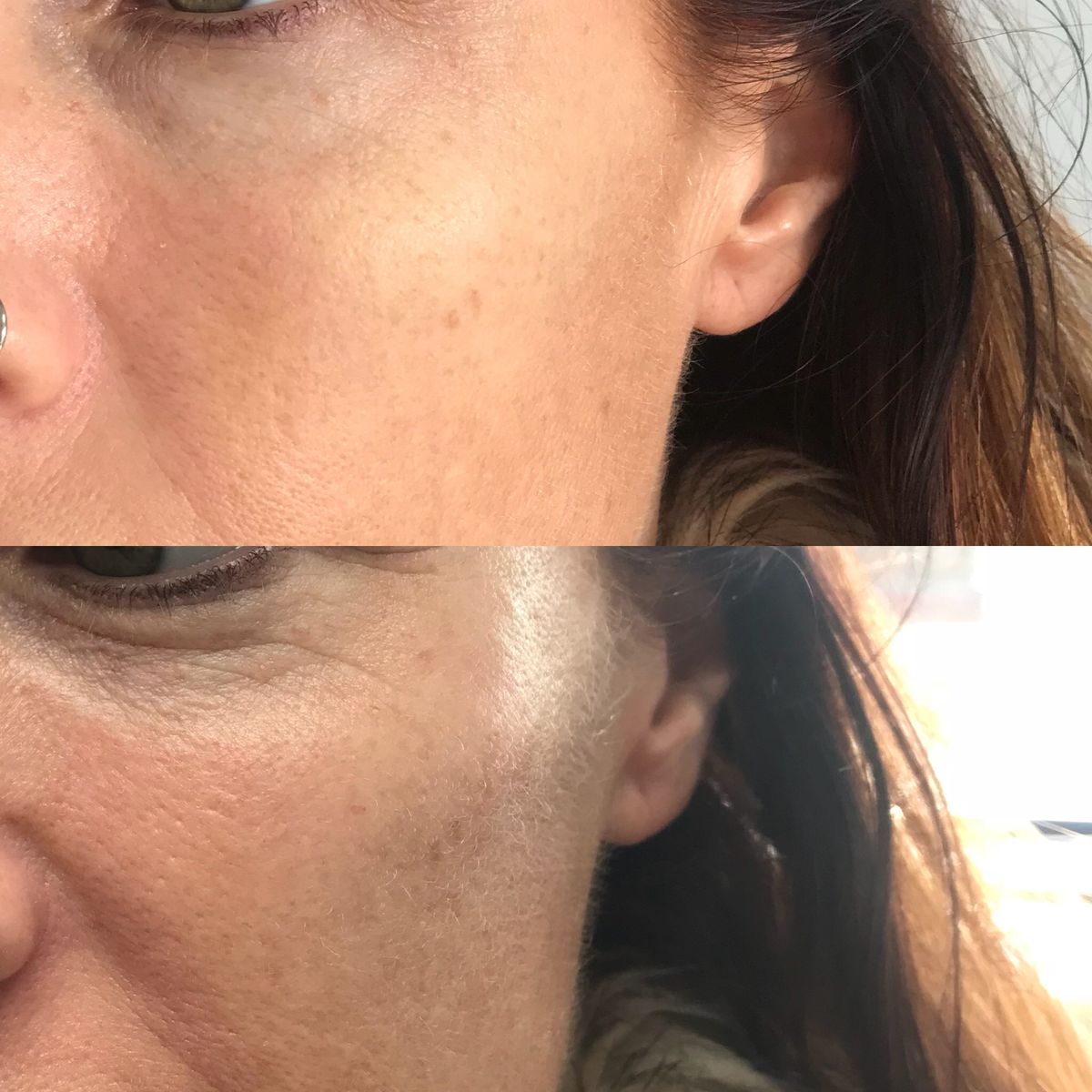
Understanding the Cheek Filler Settling Process
What ‘settling’ actually means
Settling refers to the gradual redistribution of the injected material as it shifts into its intended position within facial tissue. When practitioners inject dermal fillers using sterile technique, the product doesn’t immediately lock into place. Instead, it undergoes a natural adjustment period where the material redistributes slightly to achieve a more natural and even filler placement.
During this redistribution, the gel suspension that carries the injectable substances provides initial volume. Following treatment, the body takes a few weeks to absorb the active ingredients, break them down, and fully integrate them into the skin’s infrastructure. This explains why cheek filler day by day changes occur as the product settles.
 Understanding how long does cheek filler take to settle is essential for anyone considering or recovering from this popular facial rejuvenation procedure. Generally, cheek fillers take about 7 to 14 days to fully settle, though some patients may experience a settling period spanning 1 to 4 weeks. This non-surgical treatment offers effective enhancement, though during the settling period, individuals might notice temporary side effects such as swelling, tenderness, or minor bruising. The settling timeline varies depending on the filler type used. For instance, hyaluronic acid fillers like Juvéderm and Restylane typically take about two weeks to settle, while collagen stimulators like Sculptra may take up to 12 weeks to fully integrate. This guide breaks down the cheek filler day by day timeline, what to expect after cheek filler treatment, and how to navigate cheek filler swelling stages for optimal results.
Why fillers need time to integrate
Every dermal filler injections trigger a natural inflammatory response, which means mild bruising and swelling is expected at the injection sites. Ultrasound imaging performed immediately after treatment shows a globular and poorly defined pattern with liquid content. Forty-eight hours post-treatment, images still display globular patterns with well-defined areas indicating increased volume.
The healing process progresses substantially over the first month. Biointegration becomes practically complete at 48 hours of treatment and reaches total integration at day 30. At this point, ultrasound imaging shows a complete heterogeneous pattern without residual liquid areas, indicating full tissue incorporation. This is why understanding what to expect after cheek filler involves patience through different cheek filler swelling stages and normal healing timelines.
The role of hyaluronic acid in settling
Hyaluronic acid possesses remarkable hygroscopic properties. Due to its physicochemical characteristics, HA can contain up to 1000-fold more water than its own weight. This unique capacity allows the filler to attract moisture once injected, which helps integrate the product with surrounding tissue.
HA fillers need time to bind to water molecules in the skin. Once bound, they plump the treated area while the body gradually absorbs the material. HA also plays a role in wound healing and tissue regeneration, which contributes to how the filler adapts to facial anatomy. The crosslinking within HA critically impacts water uptake, swelling behavior, and resistance to degradation.
Cheek Filler Day by Day: Your Week-by-Week Timeline
Week 1: Managing initial swelling
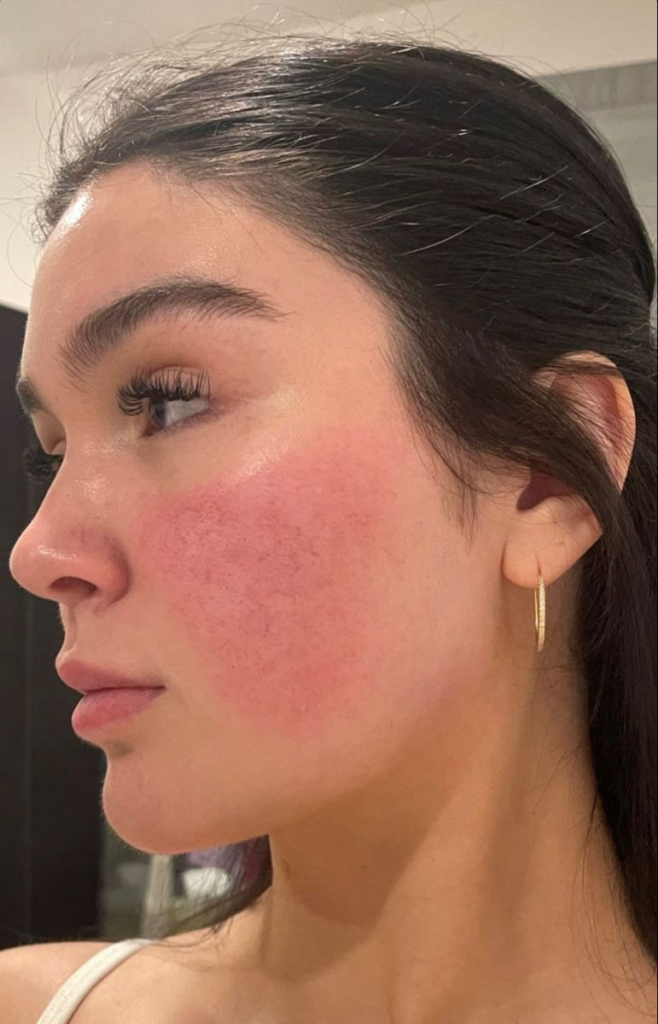
Swelling peaks within the first 24 to 72 hours after injection. Day one brings noticeable swelling and redness, along with tenderness at injection sites. The treated area may feel firm or unusually full. Some patients notice bruising developing, including pinpoint bruises, though this varies significantly between individuals.
Days two and three represent the peak swelling period. Cheeks often appear fuller than the intended final result. One side may swell more than the other, creating temporary asymmetry. Minor lumps or bumps can appear as the filler settles. By day four, swelling begins its gradual decline. Most puffiness starts subsiding between days four and seven, revealing hints of the actual enhancement.
Week 2: Watching results emerge
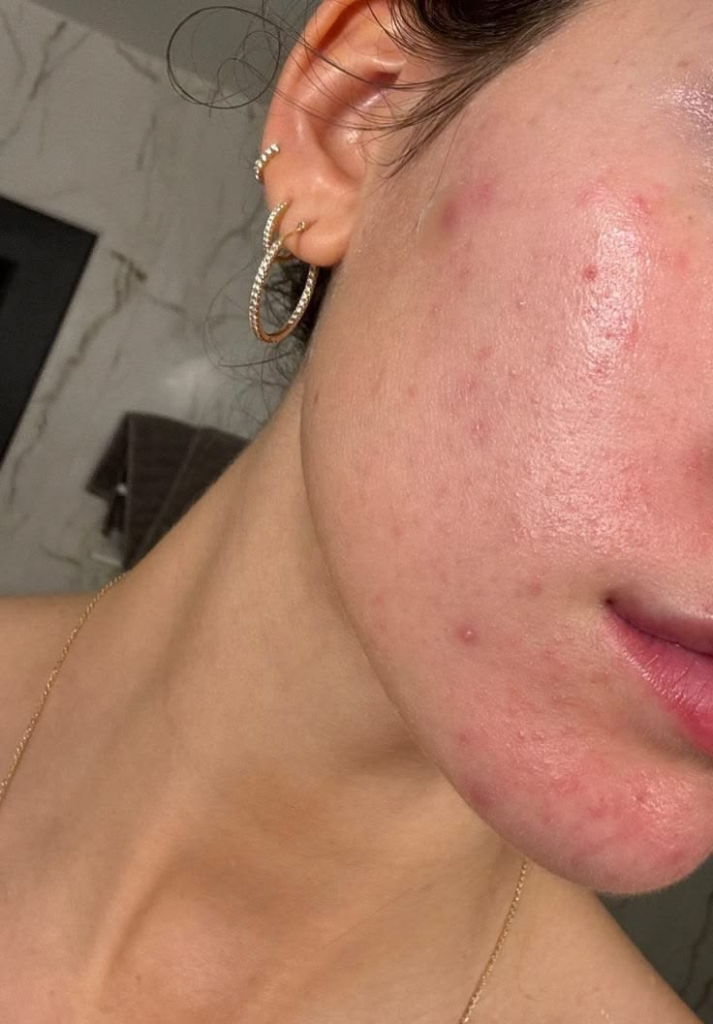
Initial bruising and swelling diminish substantially during week two. Most patients see lost facial volume restored within two weeks of treatment. The filler integrates with surrounding tissues, creating a more natural appearance. Any remaining puffiness becomes minimal as the product moves into its optimal position.
True filler results become more apparent as side effects subside. The treated area feels softer, and tightness resolves. This marks an ideal time to assess preliminary outcomes, though final results require additional time.
To see how these early results compare to fully healed transformations, explore real cheek filler before and after results by ML, face shape, and technique.
Weeks 3-4: Refining stage
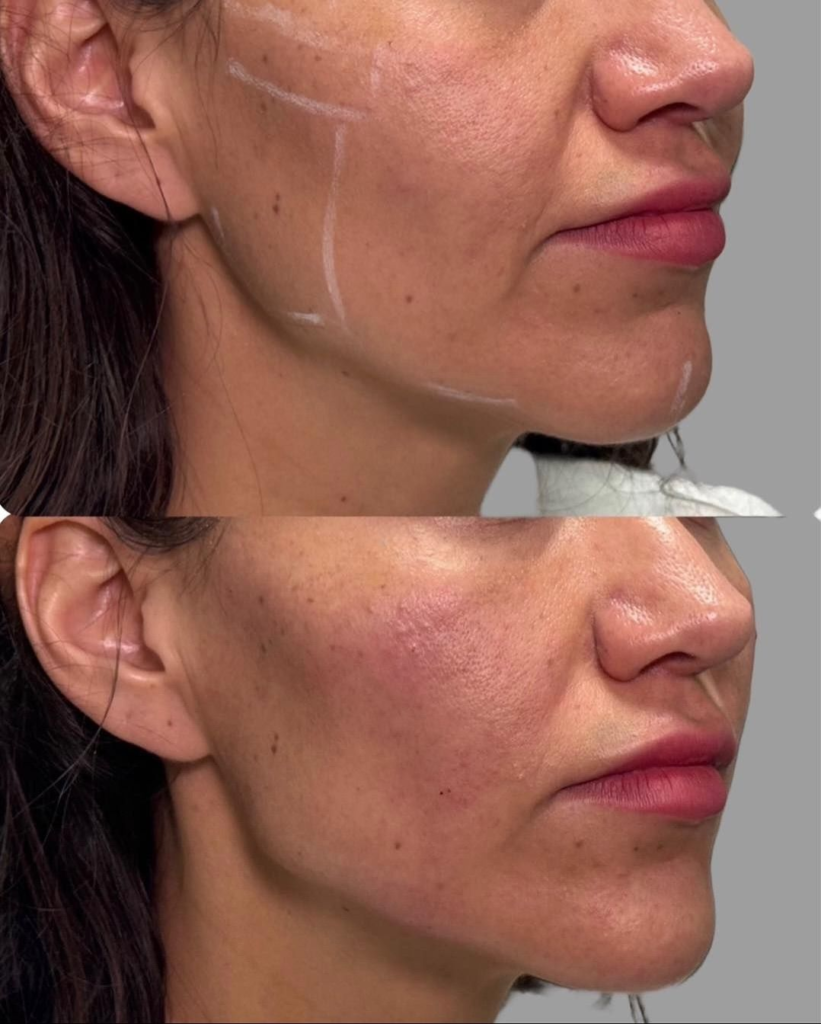
Clinical studies demonstrate that four weeks represents the peak effect for dermal fillers. Complete filler integration occurs at day 30. At this point, the enhancement appears fully settled with optimal contouring and volumizing effects visible. All bruising, swelling, and tenderness should have resolved completely as part of normal healing.
Filler treatments continue integrating with surrounding tissues during this refinement period. The product blends seamlessly with natural facial contours, and the cheeks move naturally with facial expressions.
Weeks 6-8: Final results visible
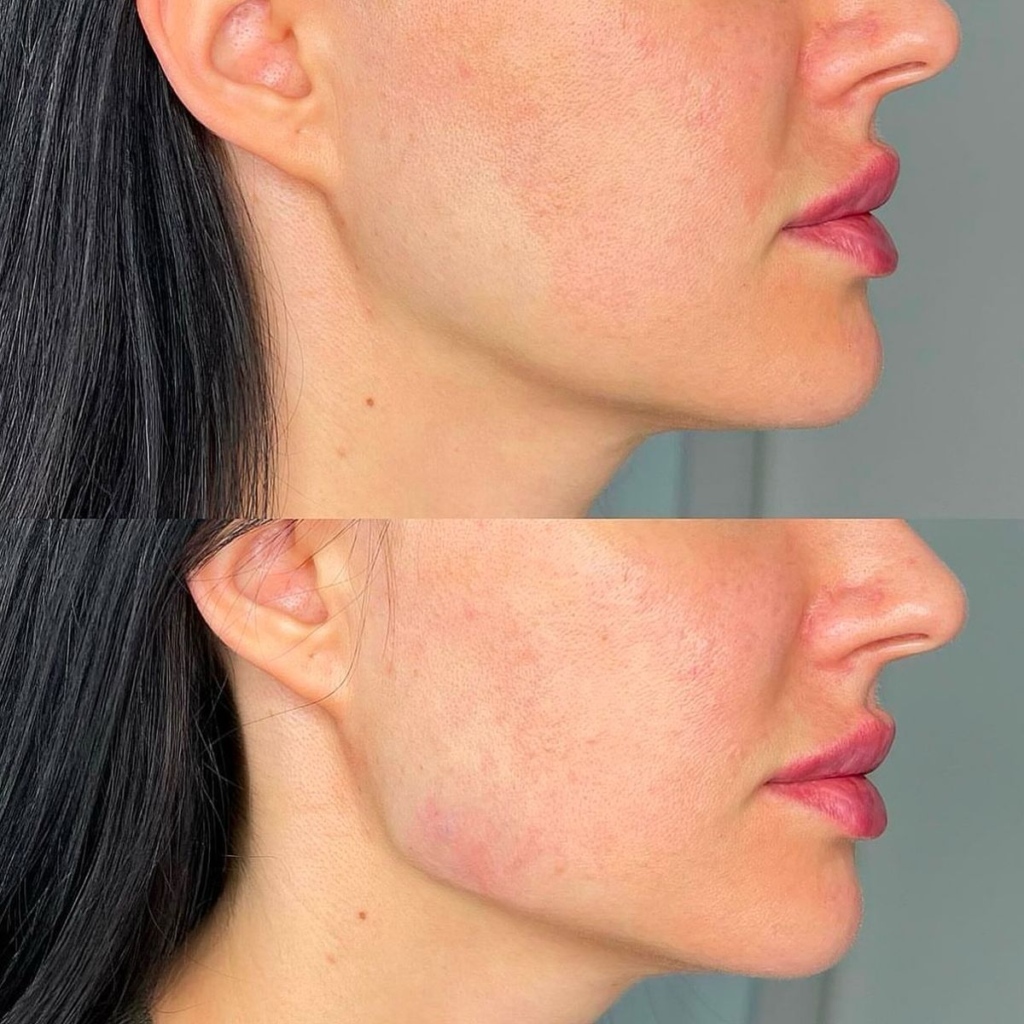
Some fillers, particularly collagen stimulators, continue improving results beyond the initial month. Hyaluronic acid-based products stimulate ongoing collagen and elastin production. The enhancement maintains its natural appearance while the body continues metabolizing the substance gradually, leading to results that can last up to one year.
Different Filler Types and Their Settling Times
Different filler types don’t just vary in how quickly they settle—they also significantly impact pricing. If you’re comparing options like HA fillers, Radiesse, or Sculptra, it’s important to understand how costs change based on product type, ML usage, and clinic location. Here’s a complete breakdown of cheek filler cost by type, ML, and city in 2026.
Hyaluronic acid fillers (Juvederm, Restylane)
Hyaluronic acid-based products represent the most common cheek filler option among injectable treatments. Juvederm and Restylane provide instant volume but take about 14 days to fully soften and reach their final shape. These fillers integrate seamlessly with the body’s tissues, with full effects typically visible in one to two weeks.
High-density formulations like Juvéderm Voluma or Restylane Lyft provide a strong lift but may take longer to integrate and soften. In contrast, lower-viscosity products settle faster but offer subtler enhancement. Conservative dosing with these products ensures optimal results, with the initial swelling stage taking up to 7 days while full integration takes up to 4 weeks.
Collagen stimulators (Sculptra)
Sculptra works differently. While the water volume and gel settles in 5 days, the actual results grow gradually over 4 to 6 months as the body builds new collagen. Most people start noticing early improvements at around four to six weeks after their first session.
Full results usually appear between 12 and 24 weeks after the final treatment session. This extended timeline occurs because PLLA particles stimulate fibroblasts to produce new collagen fibers, a biological process that requires time to mature.
Calcium hydroxylapatite fillers (Radiesse)
Radiesse delivers immediate volume while stimulating collagen production. Initial settling usually occurs within 1 to 2 weeks. Full results generally become visible within one week of treatment. Clinical studies show that 65% of Radiesse’s volumizing effect becomes apparent by Day 7.
The gel component integrates quickly, but collagen production continues for several weeks. By 4 weeks, patients achieve 98-100% of final results.
How filler density affects settling speed
The rate of settling depends on filler viscosity and cohesivity. Products with higher G prime values, like Radiesse and Restylane, are firmer and more contour stable. These take slightly longer to soften into final position compared to lower G prime fillers like Juvederm, which spread through tissues easier and move with the face better.
Aftercare Tips and Common Questions
Best practices for faster settling
The settling process progresses naturally and can’t be accelerated significantly. That said, following healthcare provider instructions for immediate aftercare supports healing and enhances final outcomes. Staying hydrated helps the body process the filler material. Patients should keep their head elevated for the first 24 hours to prevent excessive fluid accumulation. Avoiding pressure on treated areas allows the product to remain in its intended position and prevents filler migration.
Activities to avoid
Healthcare providers suggest avoiding strenuous exercise for 24 to 48 hours after the procedure. Heavy workouts increase blood pressure and circulation to the face, worsening swelling. Patients should stay out of the sun and avoid makeup or their regular skincare routine for several hours post-treatment. Avoiding stomach sleeping and instead sleeping on the back prevents disrupting the cheek filler placement. Heat exposure from saunas, hot tubs, and tanning beds can exacerbate inflammation. Alcohol consumption should be limited for 24 to 48 hours as it dilates blood vessels and increases swelling.
How to reduce swelling naturally
Cold compresses applied immediately after treatment help constrict blood vessels and reduce inflammation. Patients can apply ice packs in 10 to 15 minute intervals. Avoiding excessive salt and processed foods prevents water retention that worsens puffiness. Drinking eight to ten glasses of water daily supports the lymphatic system in reducing inflammation.
When to worry about your results
Patients should contact their provider if asymmetrical appearance lasts more than a week. Bruising, redness, or swelling persisting beyond seven days requires medical attention. Signs of infection include fever or chills. Skin discoloration that appears unusual or severe warrants immediate evaluation. Call emergency services immediately if symptoms of allergic reaction or vascular compromise occur, such as shortness of breath, severe pain, or sudden vision changes.
Disclaimer
The information provided in this article is strictly for educational and informational purposes and does not constitute professional medical advice. While we have conducted thorough market research to ensure these cost estimates are as accurate and up-to-date as possible, actual prices can vary significantly based on your geographic location, the specific clinic, and the provider’s level of expertise. Always consult with a licensed and board-certified medical professional for an accurate, personalized quote and medical guidance before undergoing any cosmetic procedure.
References
- FDA-Approved Dermal Fillers
- National Institutes of Health (NIH) – Dermal Filler Clinical Data
- Medicare Coverage Guidelines for Cosmetic Surgery

Sophia Bennett is a dedicated aesthetic researcher and patient advocate with years of experience evaluating cosmetic treatments. Driven by a strict commitment to safety and transparency, she provides readers with evidence-based insights, authentic before-and-after expectations, and crystal-clear cost guides to help them make confident, informed decisions.
[…] the result you came for. If you want a full week-by-week breakdown of what to expect, our guide on how long cheek filler takes to settle covers every stage in […]
[…] wondering about the exact timeline beyond this general overview, read our detailed breakdown of how long cheek filler takes to settle, including day-by-day changes and when final results truly […]